We all know what stress looks like when it’s obvious. Panic, burnout or snapping at your partner over the wrong kind of milk. But what about the quiet stress? The kind that creeps in slowly, hides in your habits, and makes itself comfortable in your every day routine?
Chronic stress often flies under the radar. You might not even realize it until your body (or your journal) waves a red flag. The good news? Journaling can help you spot and address the issues before they get out of control.

Let’s break down five subtle signs you might be more stressed than you think. And how using pen and paper can help you regain control.
1. You’re More Forgetful Than Usual
Ever walk into a room and forget why? Or misplace your phone for the third time this week? Occasional forgetfulness is normal, but when it starts happening daily, it might be stress messing with your memory.
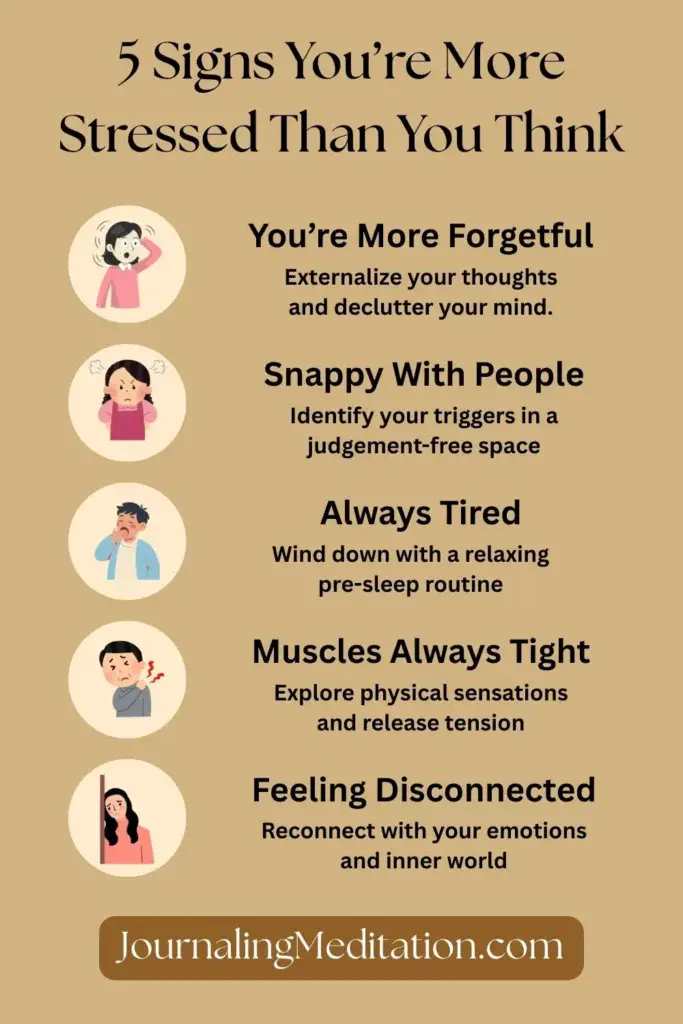
Stress impacts the hippocampus, the part of the brain responsible for memory and learning. Journaling can help by externalizing your thoughts; getting them out of your mind and onto the page. Even a five-minute brain dump at the end of the day can help declutter your head and sharpen your focus.
2. You’re Snapping at People (and Surprising Yourself)
If your patience has gone MIA lately, stress may be hijacking your emotional regulation. Irritability and low frustration tolerance are classic signs of stress overload.
Try using your journal as a judgment-free space to explore what’s really behind the anger. Was it the traffic, or the feeling of not being in control? Once you identify your triggers, they lose a little power and you gain a bit of peace.
3. You’re Always Tired, Even After Sleep
Stress keeps your body on high alert, even while you’re sleeping. If you’re waking up groggy and dragging through your day, it might be your nervous system working through the night.
Journaling before bed (especially gratitude journaling) can help signal to your yourself that it’s safe to relax. It’s screen-free and won’t mess with your melatonin like doom scrolling will.
4. Your Muscles Are Constantly Tight
Shoulders up to your ears? Jaw clenched? These physical symptoms often go unnoticed, but they’re reliable indicators of unresolved stress. Tension often accumulates in the body when emotions stay unprocessed.
Try using a journaling techniques where you write about your body’s sensations and emotional experiences. This can help you reconnect with your body and release what’s stuck.
5. You Feel Numb or Disconnected

Sometimes stress doesn’t make you feel more. It makes you feel less. If you’re going through the motions, but feeling disconnected from your life, relationships, or even your own emotions, that’s a major signal.
Journaling brings you back to yourself. It helps rebuild your emotional awareness and strengthen your connection with your inner world. One of the most powerful things I’ve learned is this that clarity can come through writing.
So… Can Journaling Really Reduce Stress?
Yes, and it’s not just me saying that. Research supports it.
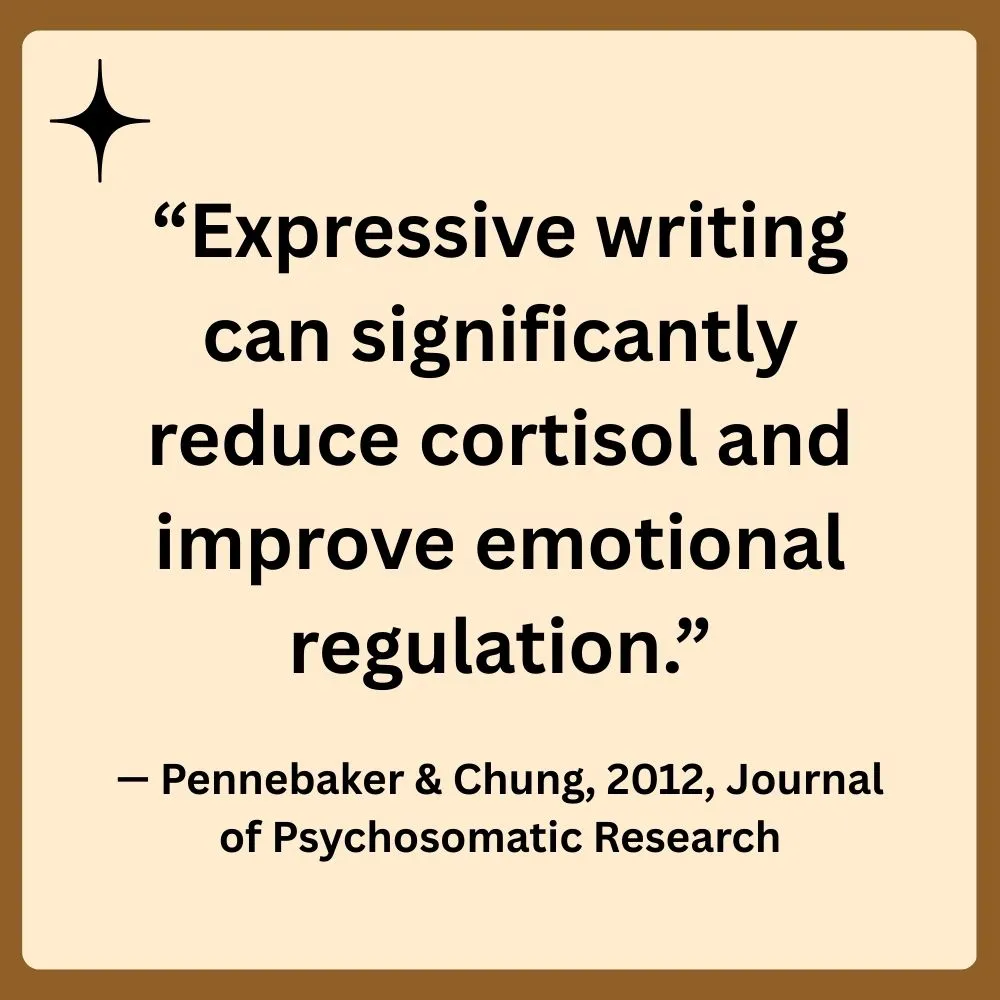
According to studies, expressive writing, like journaling about your emotions, can reduce cortisol (your stress hormone) and improve emotional regulation. If you want a deeper look at the science behind how journaling reduces stress, check out the full guide:
👉 Does Journaling Help with Stress?
FAQ: Journaling for Stress Awareness
📝 How do I start journaling if I don’t know what to write?
Start simple. Try writing down what happened during your day, how you felt, or even just a list of things on your mind. Prompts like “What’s been draining my energy lately?” or “Where am I holding tension?” can help you get started.
📅 How often should I journal to notice a difference in stress?
Even 3-5 minutes a few times a week can make a difference. Consistency matters more than perfection or length. This isn’t homework, it’s self-care.
✍️ What type of journaling works best for stress?
It depends on your personality. Expressive writing, gratitude journaling, and even bullet journaling can all help reduce stress. Try a few styles and see what works best for you. I’ve shared different approaches in the main article linked above.
Final Thought
If any of these signs sound familiar, know this: it’s not just in your head. Your body and brain are trying to get your attention. Journaling is a simple, affordable, and research-backed way to start listening. And healing.
Are you noticing any of these quiet signs of stress in your own life? I’d love to hear from you. Drop a comment and let’s talk about how journaling can help you manage the madness.