I used to think creating a calm meditation space was all about how it looked. A cushion, a candle, maybe a plant. Something Pinterest-worthy. But even when my space looked peaceful, my mind didn’t always follow. That’s when I realized calm isn’t just visual. It’s sensory.
TL;DR: How to Create a Calm Meditation Space at Home
A calm meditation space isn’t just about how it looks. It’s about how your responds to light, scent, and sound.
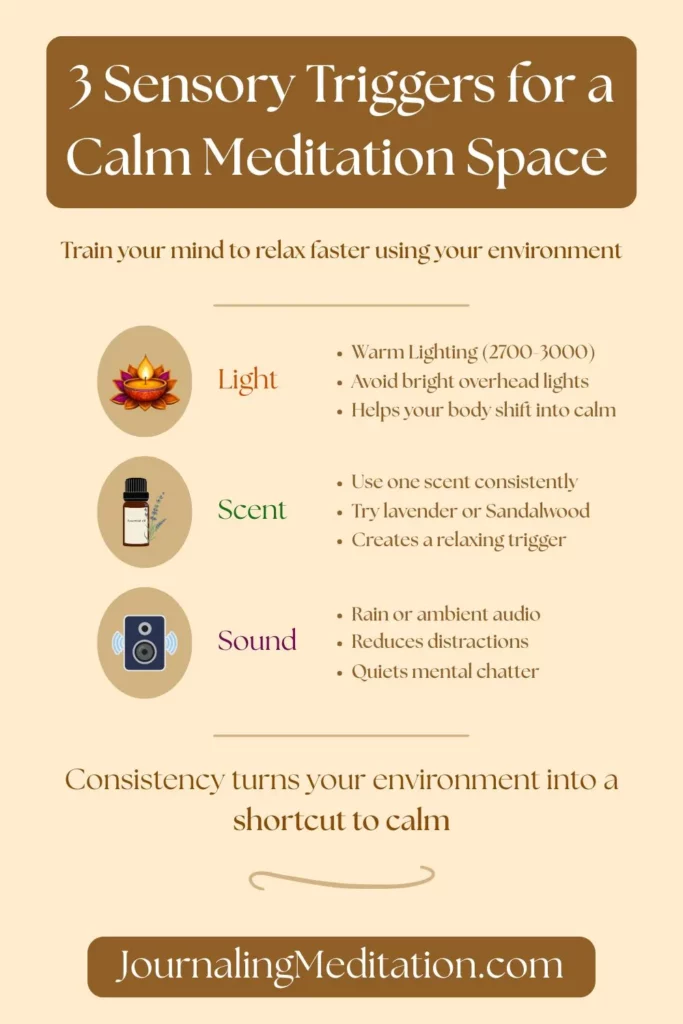
- Lighting: Use warm, dim lighting (2700K–3000K) to help your body relax faster
- Scent: Use one calming scent regularly to train your brain into a meditative state
- Sound: Add gentle background audio to reduce or cover distractions and quiet mental chatter
Used consistently, these cues condition your mind to settle faster with less effort.
👉 Start with one and let your environment do half the work.
Why Most Meditation Spaces Don’t Feel Calm
Most people set up a meditation space based on what they think looks right. A cushion, a candle, maybe a plant.
I”ve done that.
It looked calm, but it didn’t feel calm.
That’s because your body doesn’t respond to simple aesthetics, it responds to sensory input.

If your space doesn’t feel relaxing, it’s usually because one (or more) of these three elements is missing: light, scent, or sound.
The 3 Sensory Keys to a Calm Meditation Space
Most people accidentally get one of these right.
Very few use all three on purpose.
Here’s how to fix that.
1. Lighting: The Fastest Way to Signal Calm
Bright overhead lighting keeps your brain alert. It raises cortisol and puts you in task mode. Think of the humming florescent lights at the office. The complete opposite of what you want for your meditation.

Warm, dim lighting does the reverse.
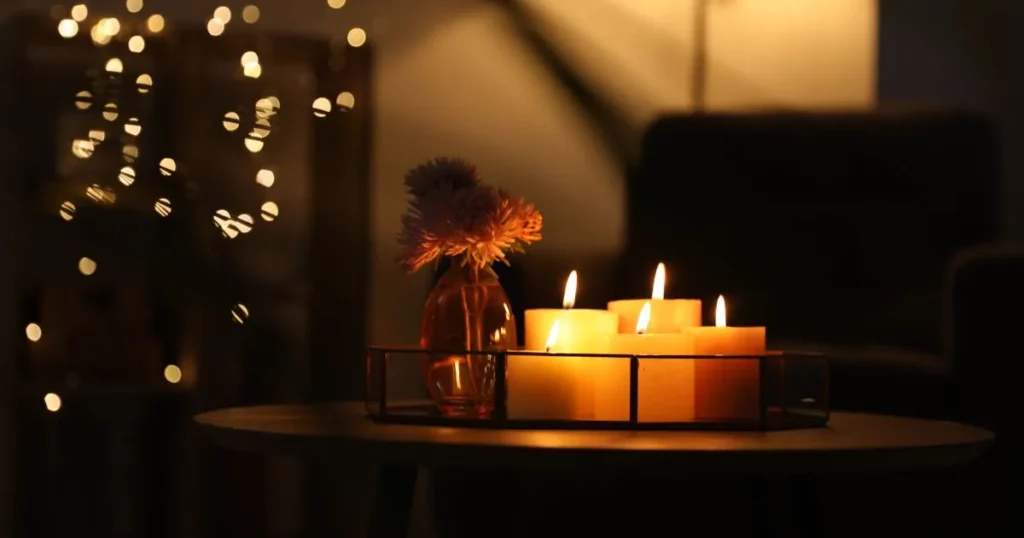
Light in the 2700K–3000K range helps your body shift down before you even begin.
Think of lighting as a dial, not a switch.
Simple setup:
- A warm floor lamp
- A salt lamp
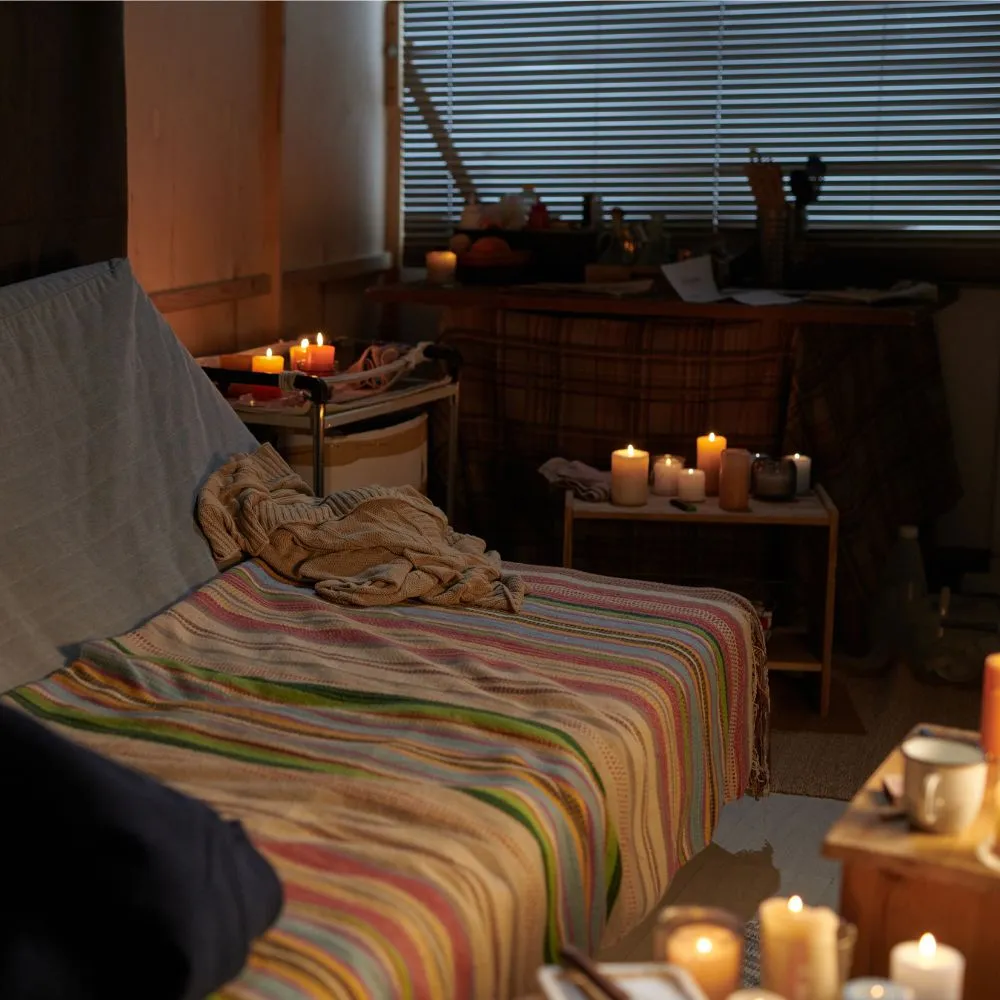
- A few candles
Personally, I turn off overhead lights completely. It’s the fastest improvement you can make.
2. Scent: The Most Powerful (and Overlooked) Tool
Scent works faster than thought.
Your olfactory system connects directly to the emotional part of the brain, which means certain smells can calm you almost instantly.
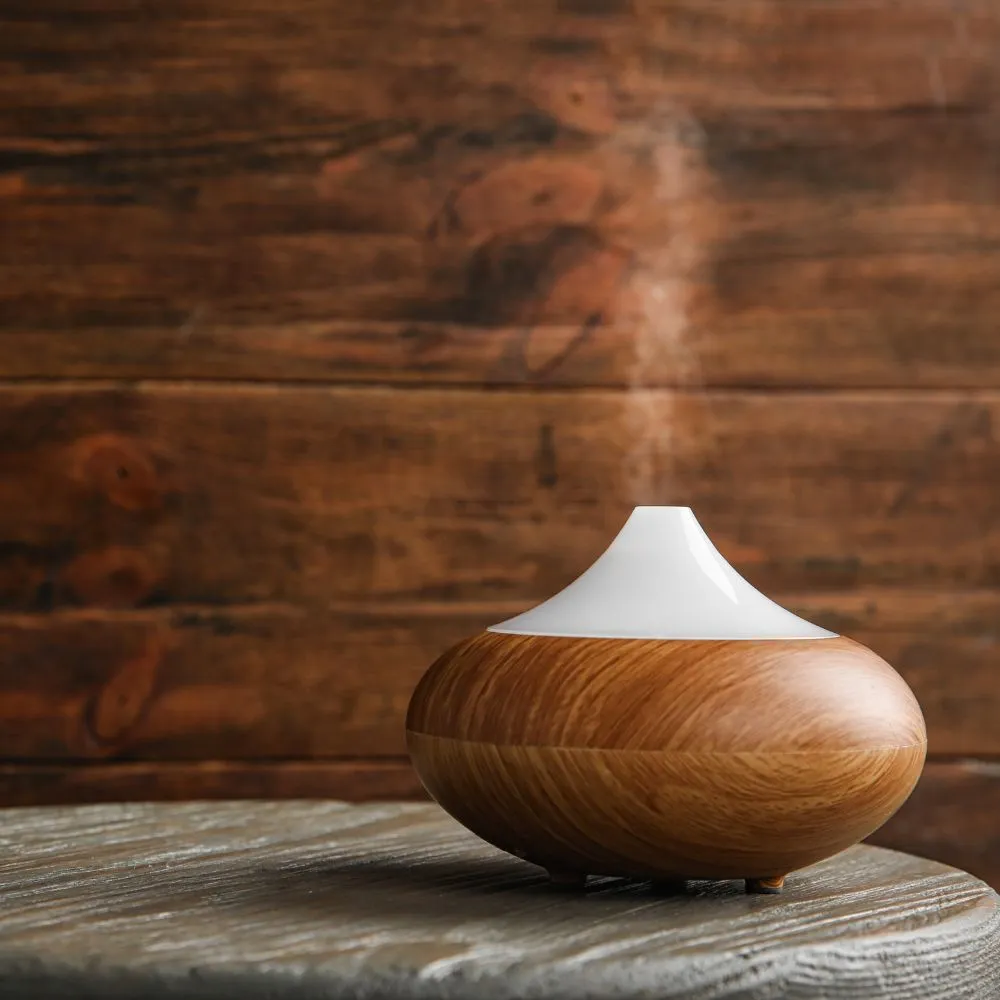
Effective scents for meditation:
- Lavender → reduces anxiety
- Frankincense → deepens breathing
- Sandalwood → quiets the mind
- Eucalyptus → clears and sharpens awareness
But here’s the real trick:
Use the same scent every session.
Over time, your brain builds an association:
This smell = it’s time to relax after a couple of weeks, you’ll notice your mind settling before you even start.
3. Sound: Why Silence Isn’t Always Ideal
We’re often led to believe silence is the ideal practice for meditating. But for many people, it can actually make thoughts louder.
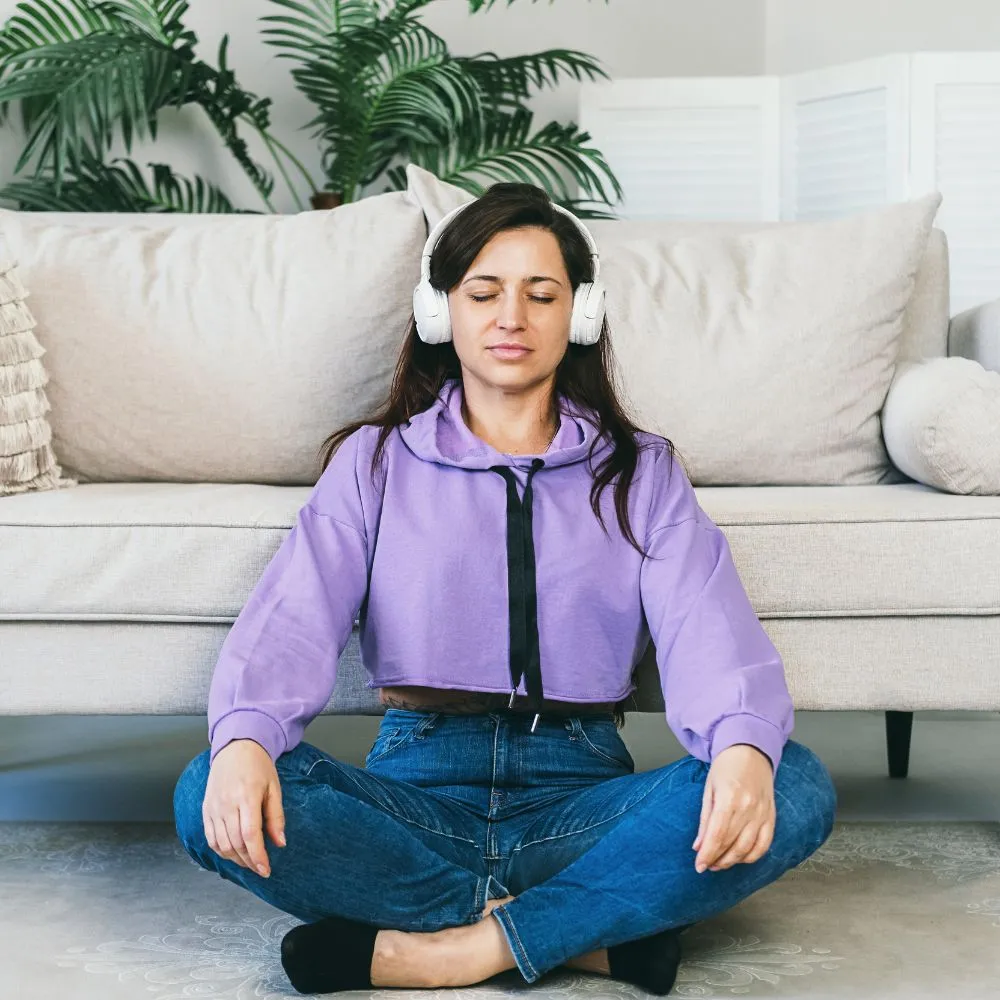
If your mind tends to wander, add a gentle sound layer:
- Brown or pink noise
- Rain or nature sounds
- Soft ambient audio
These can help reduce distractions without pulling your attention away.
Like scent, sound can become a trigger when used consistently, so use the same track each session, and your brain will begin to associate it with calm.
How to Build Your Meditation Space (Without Overthinking It)
You don’t need a dedicated room or expensive setup.
Start simple:
- Choose one sensory element
- Use it consistently for 1–2 weeks
- Notice how quickly you begin to settle
Consistency matters more than going all in the very first day.
If you want a full setup guide, read my article about creating a calm meditation space at home.
Frequently Asked Questions About Meditation Spaces
What is the best lighting for meditation?
Warm, dim lighting (2700K–3000K) is ideal. It helps your nervous system relax, unlike bright overhead lights which increase alertness.
Do I need incense or essential oils for meditation?
No, you don’t NEED them, but they’re powerful tools that can help with relaxation. Scent affects the emotional brain directly, making it one of the fastest ways to calm your mind. Use the same scent consistently for best results.
Is silence better for meditation?
Not always. If your mind tends to be busy or if you ruminate a lot, silence can make it worse. Background sounds like rain or soft, ambient music often make it easier to let go of thoughts.
How can I create a meditation space at home with limited space?
Find a small spot where you won’t be interrupted and aim for consistency. Pair it with one sensory cue (light, scent, or sound) to start with. Keep it simply and just show up for yourself!
Final Thoughts: Let Your Environment Do the Work
Meditation gets easier when your environment supports it. Which is encouraging because it means you don’t need more discipline. You just need better signals.
Start small, stay consistent. and let your senses lead.
💬 Are you already using one of these anchors? Which one? And if not, which one will you try first? I’d love to hear what’s working for you.