Let’s clear something up: journaling doesn’t have to be, how do I put it… emotional word vomit. Not everyone wants to pour their heart onto the page every single time. And guess what? You don’t have to.
Journaling for stress relief doesn’t mean you need to do it precisely the same time, every time. There are plenty of practical, low-pressure journaling styles that deliver real mental health benefits, without oversharing, ruminating, or fighting back tears as you write in your notebook.

Here are three simple journaling methods that can help you manage stress and feel more grounded. Try one or all of them. The truly help put life in perspective.
Bullet Journaling: For the Brain That Never Stops
If your thoughts are scattered, your to-do list is 12 miles long and stress just keeps building up, bullet journaling might be your thing.
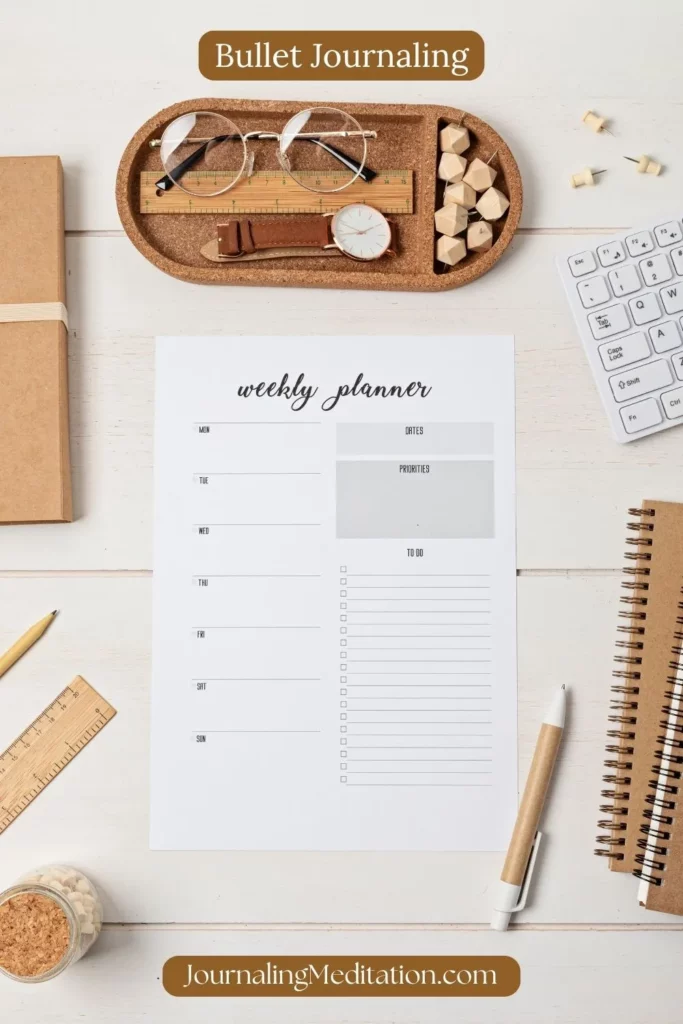
This method is less about feelings, more about function. It uses short, structured entries like tasks, goals, and notes to help you organize your thoughts and your day.
✅ Helps reduce mental clutter
✅ Builds a sense of control
✅ Doubles as a planner and stress-relief tool
Even something as simple as tracking your habits, sleep, or mood can give your brain a break from the mental mess. And guess what? Tracking behaviors is also a research-backed way to improve mental well-being.
Gratitude Journaling: The Small but Mighty Mood Booster
Not into writing a novel? No problem. Just list 3–5 things you’re grateful for each day. That’s it.
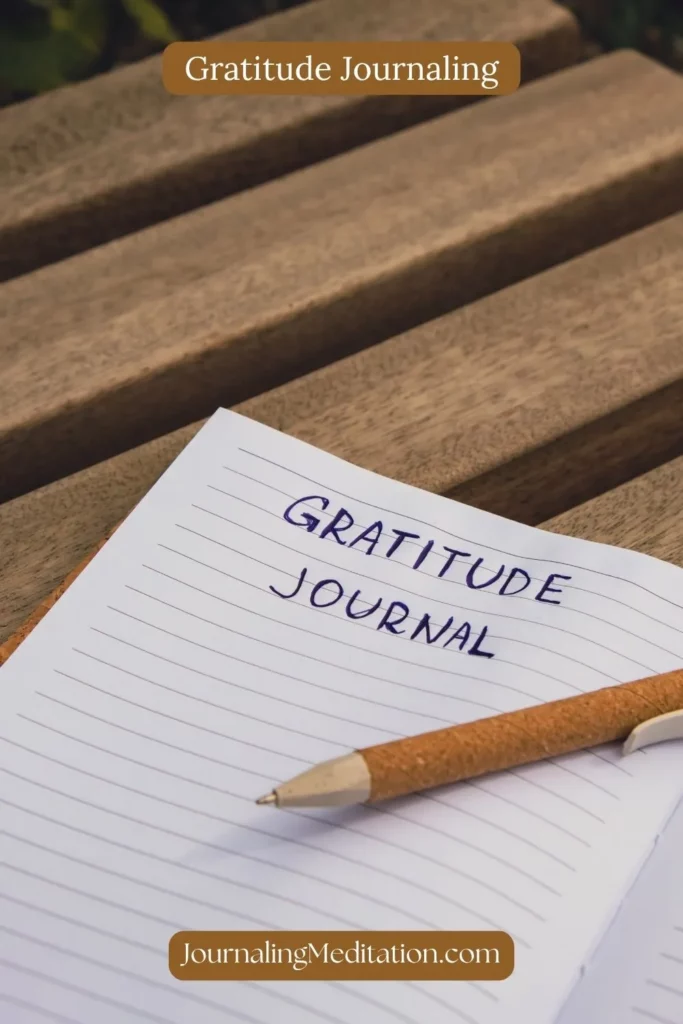
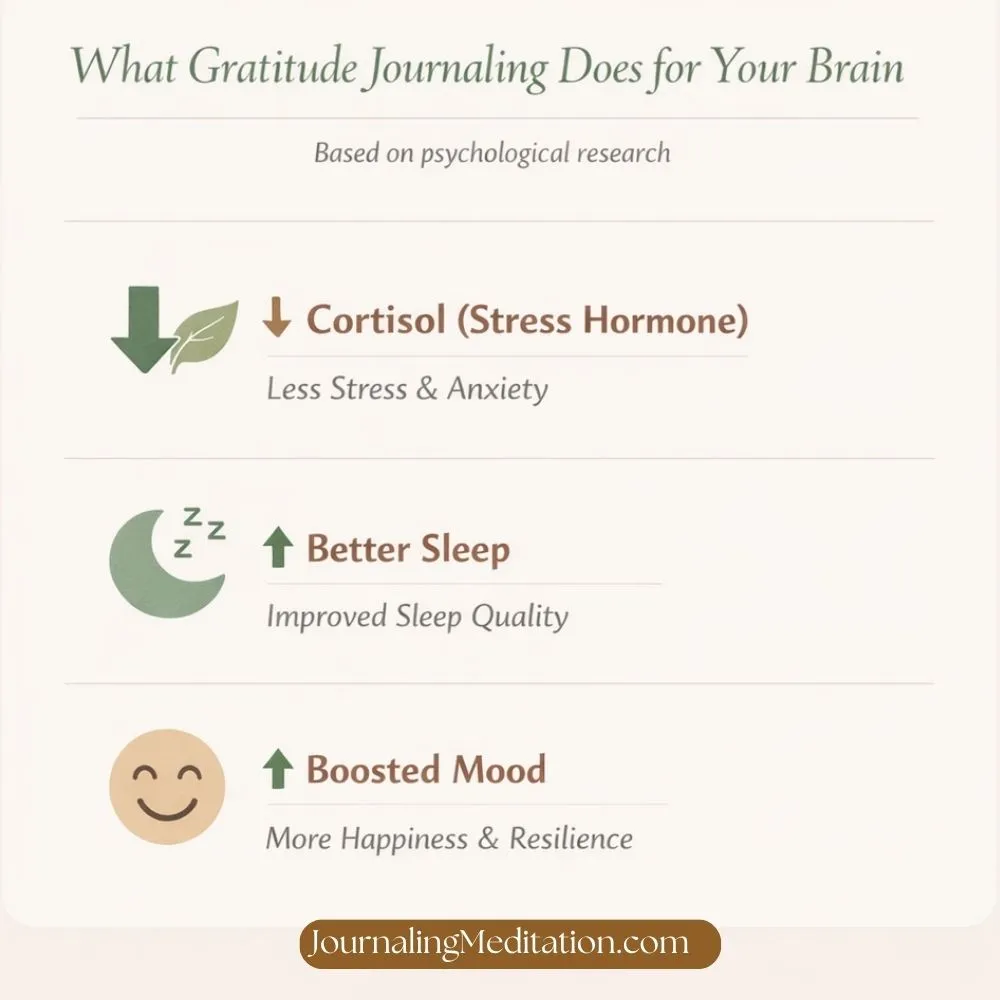
Gratitude journaling might sound basic, but it’s powerful. Studies have shown that regularly practicing gratitude can:
🌿 Lower cortisol (the stress hormone)
🌿 Improve sleep
🌿 Boost overall happiness
It rewires your brain to focus on what’s working instead of what’s not. And you can do it in under 3 minutes. Perfect for busy or burnout-prone folks.
Journaling with Prompts: For When You Need Gentle Guidance
Maybe you want to reflect, but staring at a blank page feels paralyzing. That’s where structured journal prompts come in.
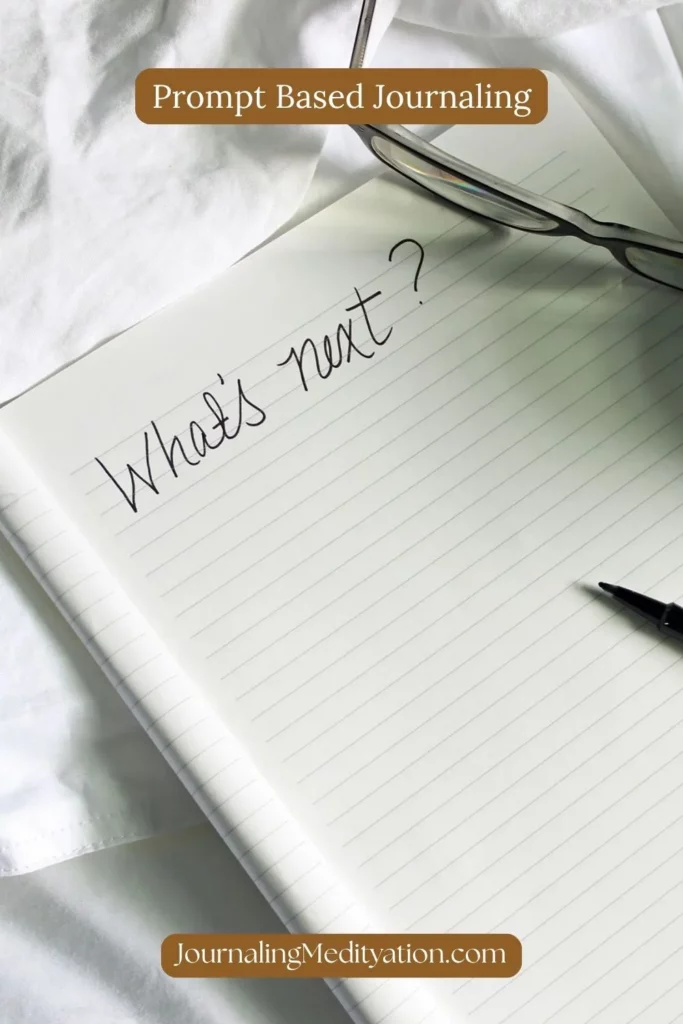
Instead of writing whatever pops into your head, you respond to specific questions that help guide you in a meaningful direction. Some of my favorites for stress:
- What’s taking up space and repeating in my mind today?
- What do I need more of (or less of) right now?
- What would it look like to give myself permission to rest?
Prompted journaling helps you stay focused without getting lost in your own head. It’s especially helpful if you’re new to journaling. Or just overwhelmed and don’t know where to start (very common).
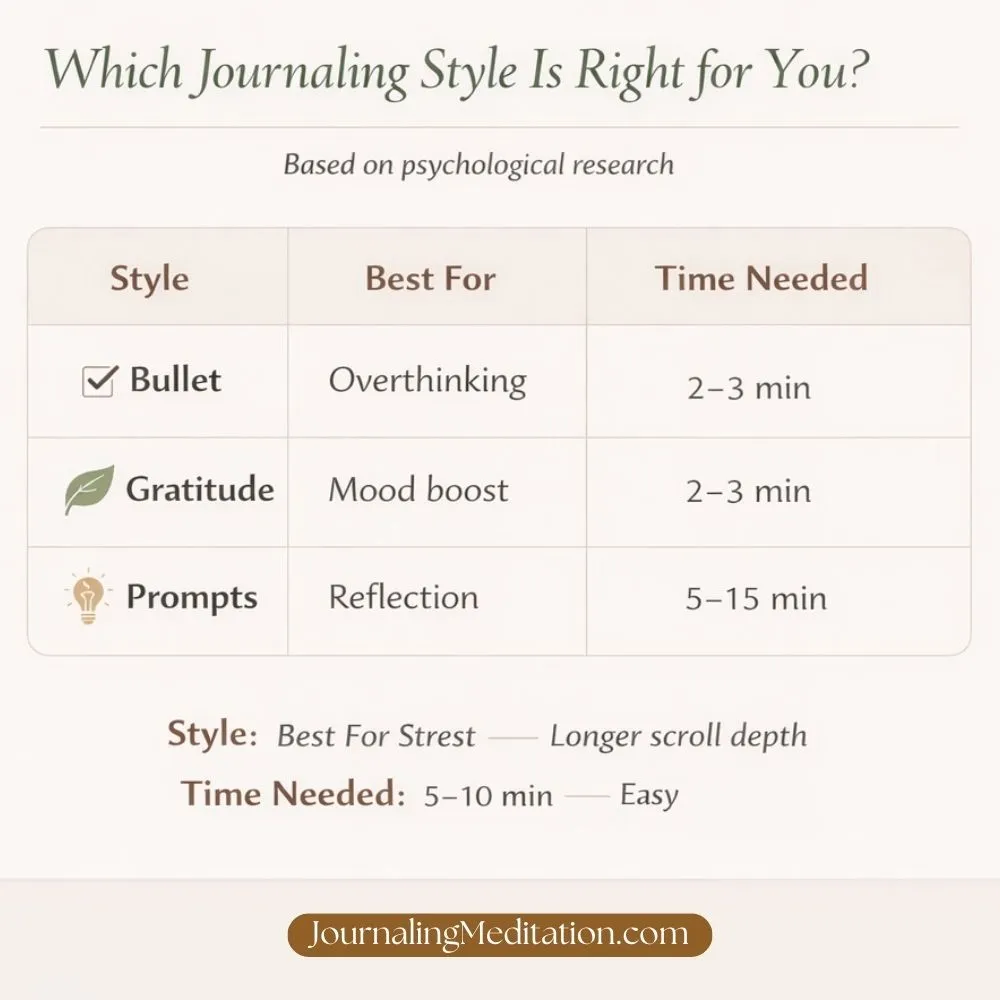
For more on how each type of journaling impacts your stress levels, I break it all down in this guide:
👉 Does Journaling Help with Stress?

FAQ: Alternative Journaling Styles for Stress Relief
✍️ Do I have to write every day for journaling to work?
Nope! But it does help. Even so, just a few times a week can help you feel more centered and less stressed. What matters most is showing up consistently in a way that works for you.
❓ What if I don’t know what to write about?
That’s exactly what prompts are for. Try using a simple question like “What is weighing on me today?” or “What can I let go of?” Prompts give your thoughts direction that you have full control of.
🔄 Can I combine different journaling methods?
Absolutely. Some people start with a gratitude list, then move into a short bullet log of the day ahead. Others use prompts on stressful days and just jot a few thoughts the rest of the week. Your journal, your rules.
Final Thought
You don’t have to spill everything to benefit from journaling. Whether you’re making lists, naming wins, or answering a thoughtful prompt, you’re still giving your mind space to breathe, reset, and heal.
So if “Dear Diary” isn’t your vibe, don’t sweat it. There’s a journaling style out there that fits you and helps support your mental health.
👉 Curious about how journaling actually lowers stress levels?
Check out the full article here: Does Journaling Help with Stress?

Tried any of these journaling styles yourself? Got a favorite prompt or habit that helps you decompress? Drop a comment! I’d love to hear what works for you and thanks for reading!